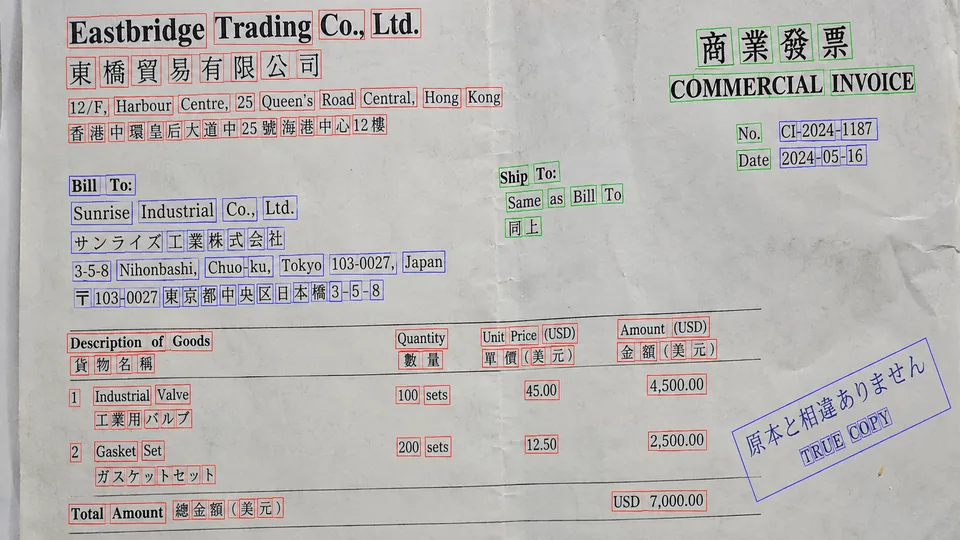
Word & Line-Level Text Detection
Precise bounding box, oriented rectangle, and polygon boundary annotation isolating individual characters, words, and text lines across multilingual printed and scanned documents.
Documents are rarely clean collections of text. Real production data contains tables, forms, handwriting, stamps, signatures, mixed layouts, low-quality scans, and fields whose meaning depends on position and context. Josisoft builds document annotation workflows around your schema, page structure, extraction rules, entity definitions, and QA criteria so OCR and Document AI models receive consistent, machine-readable ground truth.
Talk to a Data SpecialistPrecise bounding box, oriented rectangle, and polygon boundary annotation isolating individual characters, words, and text lines across multilingual printed and scanned documents.
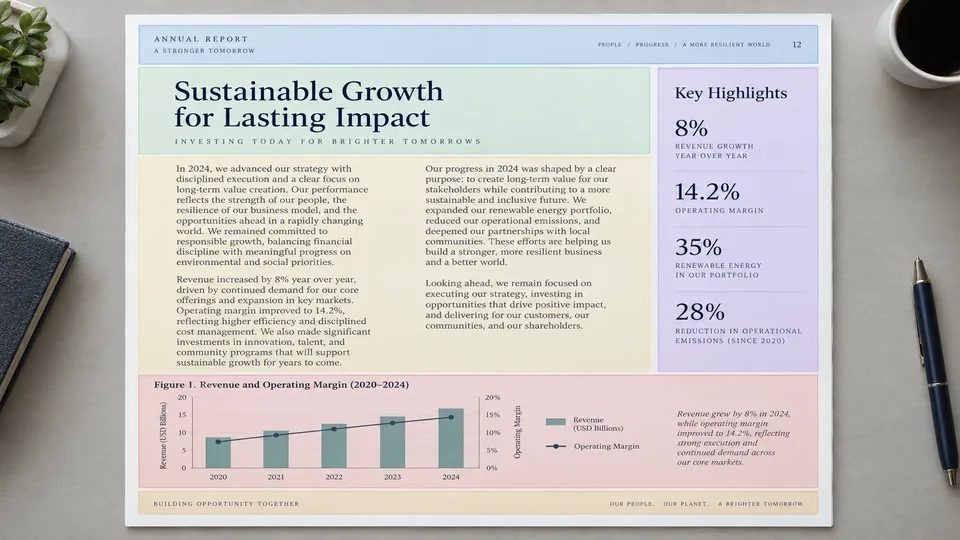
High-level structural zone segmentation identifying and classifying document blocks—including headers, footers, titles, paragraphs, sidebars, figures, and captions—for layout-aware models.
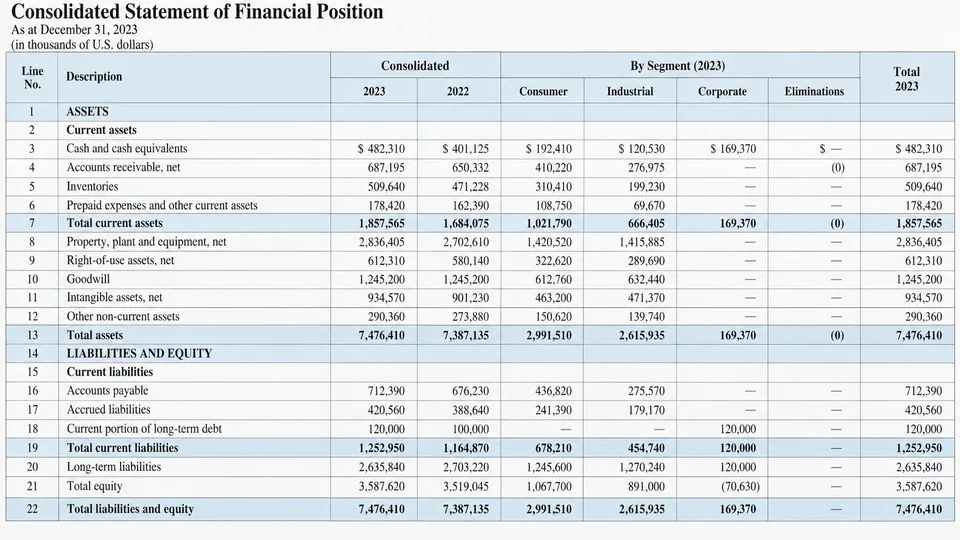
Fine-grained structural extraction of bordered, semi-bordered, and borderless tables, capturing rows, columns, headers, merged cells, and nested hierarchies into structured JSON, HTML, or CSV formats.

Directed semantic graph linking connecting question/key labels directly to their corresponding value bounding boxes across invoices, receipts, tax forms, and complex semi-structured paperwork.
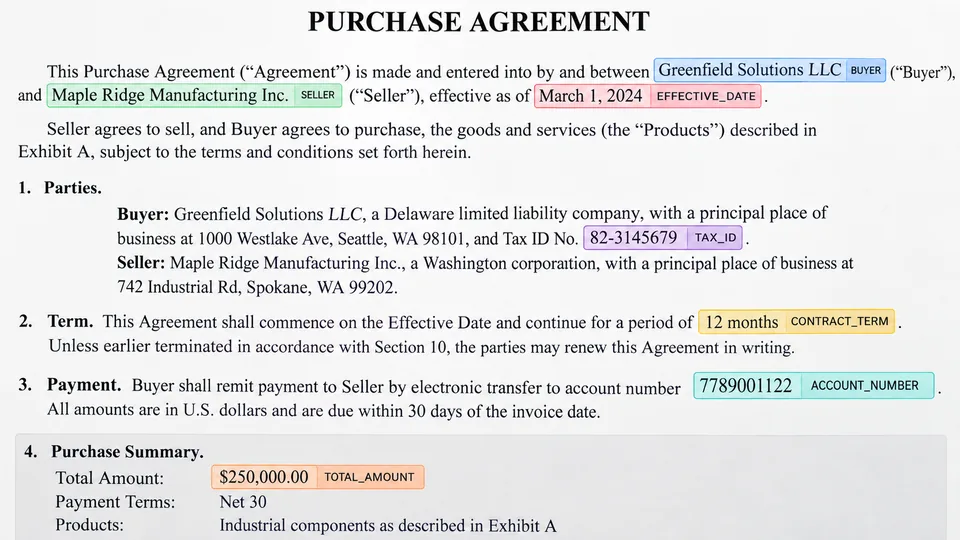
Span-level classification and semantic tagging of domain-specific entities (e.g., buyer/seller names, line-item totals, tax identification codes, dates, account numbers, and contract terms).

Topological directed-graph annotation establishing linear and logical reading order across multi-column layouts, callout text boxes, infographics, and complex corporate brochures for LLM context ingestion.
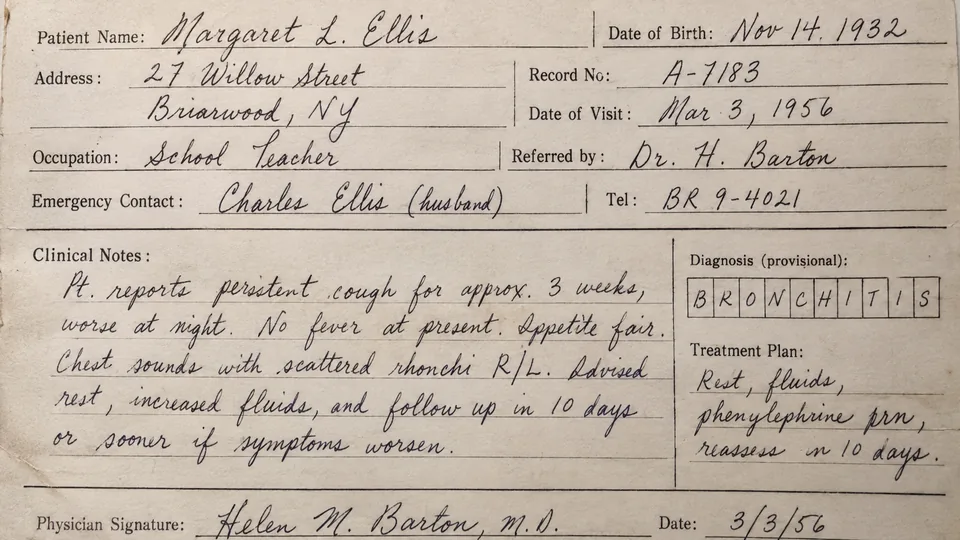
Character-level and line-level ground-truth transcription of cursive handwriting, mixed print-and-script entries, historical archives, and handwritten clinical notes.

Bounding box and polygon segmentation isolating physical signatures, initial blocks, company rubber stamps, official notary seals, and watermarks for fraud detection and contract validation.
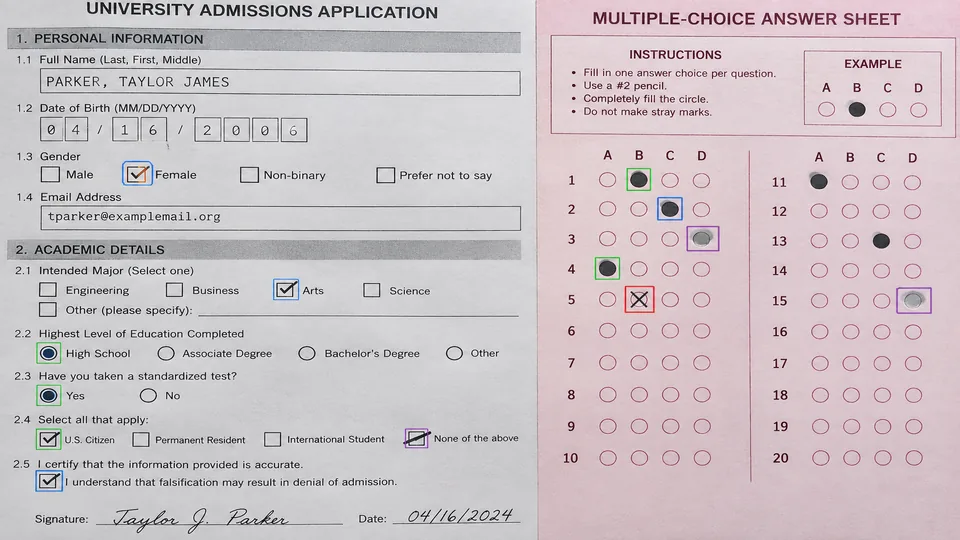
Classification of functional form components and mark states—including checked, unchecked, partially filled, and struck-through checkboxes, radio buttons, and optical bubble sheets.
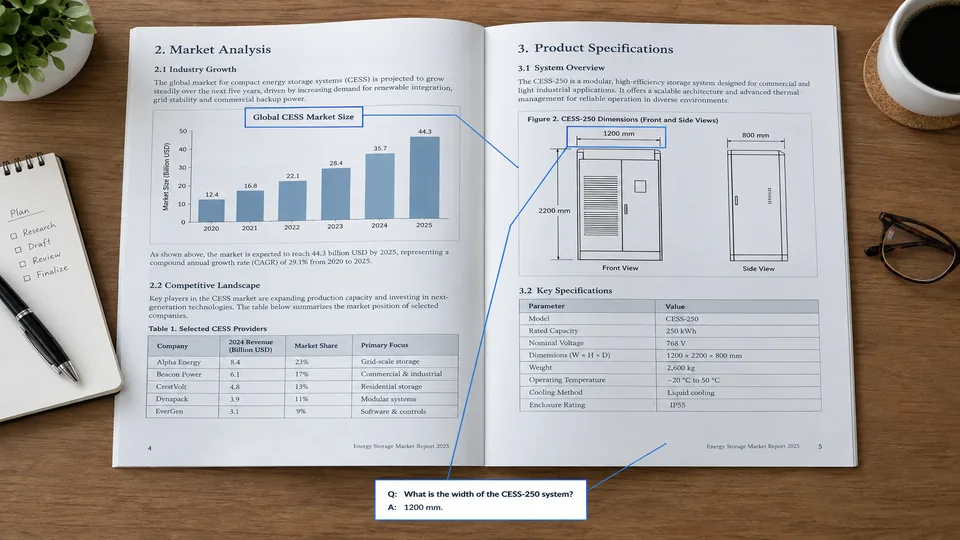
Generation of grounded question-answer pairs linked to exact coordinate bounding boxes over multi-page documents, infographics, and technical diagrams to train multimodal document LLMs.
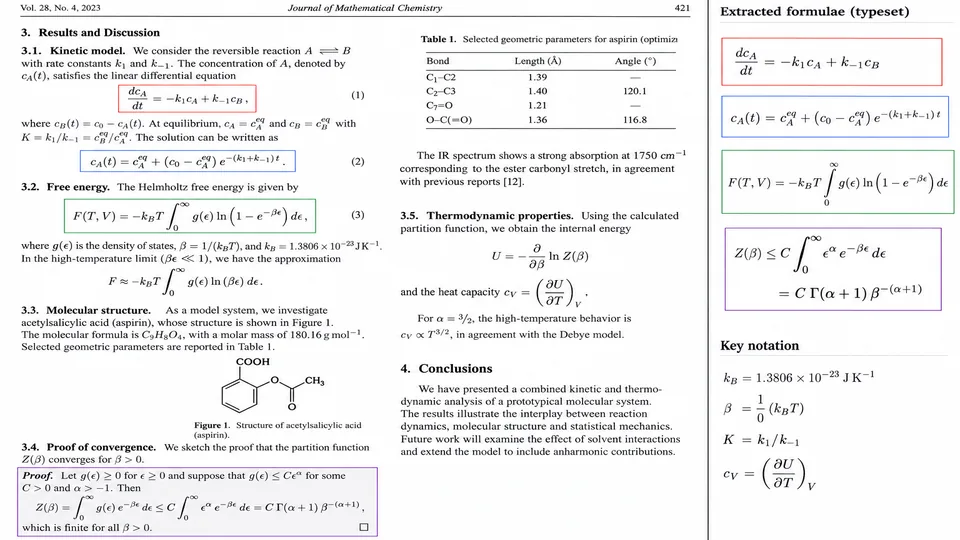
Boundary extraction and semantic transcription of inline and display mathematical equations, proofs, chemical structures, and scientific notation into LaTeX, MathML, or SMILES code.
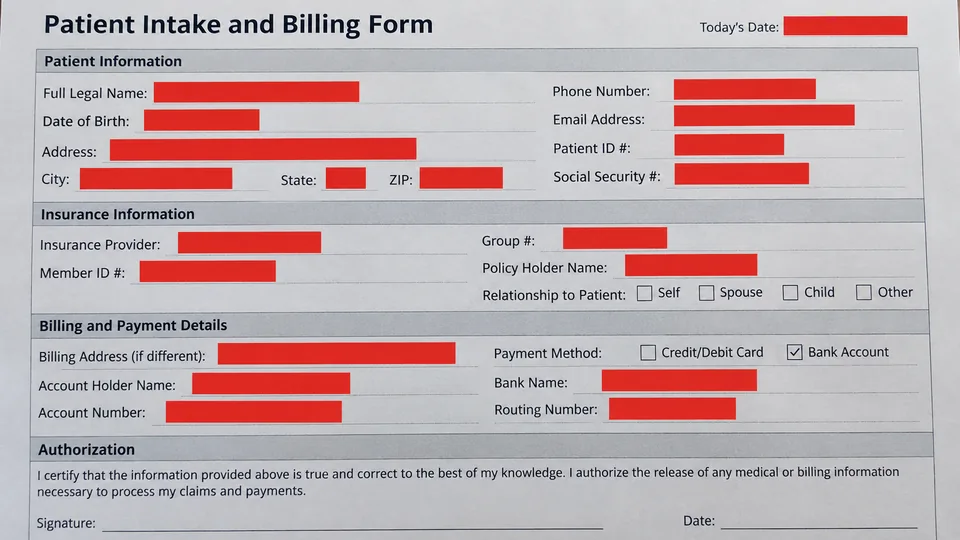
Pixel-level and token-level masking of Personally Identifiable Information (PII) and Protected Health Information (PHI)—including identity numbers, banking credentials, and patient details—for regulatory compliance.
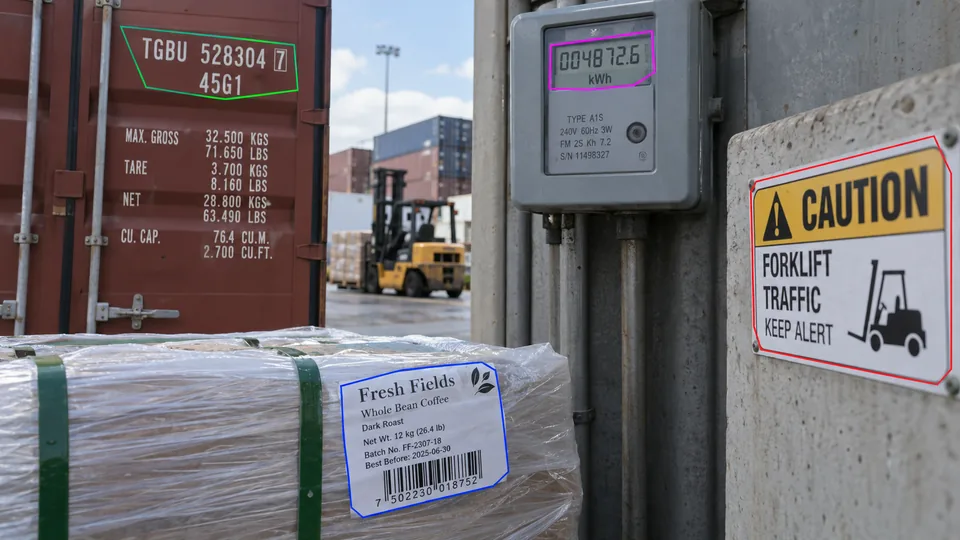
Polygon and multi-point contour annotation of arbitrary-shape, perspective-distorted, curved, and rotated text captured on physical packaging, shipping containers, utility meters, and signage.
Our document annotation teams can work directly inside client-approved labeling environments supporting OCR, bounding boxes, text transcription, key-value relationships, tables, and document layout workflows, including tools such as Label Studio, SuperAnnotate, Kili Technology, CVAT where appropriate, or other client-approved systems.
Annotators can operate inside client-owned document processing platforms through approved secure access, following your existing field schema, transcription rules, reading-order logic, table structure, entity taxonomy, and review stages.
When no production annotation environment is available, we can configure controlled project workspaces around your document types, extraction schema, labeling rules, permissions, and QA stages for pilot and scaled delivery.
Invoices, receipts, purchase orders, statements, expense documents, and transaction records annotated for OCR, field extraction, line-item parsing, and document classification.
Claims forms, policy documents, supporting records, repair estimates, correspondence, and structured fields labeled according to client-defined extraction schemas.
Bills of lading, shipping labels, delivery notes, packing lists, customs documents, manifests, and warehouse paperwork annotated for structured document extraction.
Applications, onboarding forms, contracts, questionnaires, reports, and operational documents annotated for layout understanding, field extraction, entity recognition, and classification.
Every annotator, QA reviewer, and project manager signs an NDA before accessing project assets.
Personnel are trained on data confidentiality: strict restrictions on screen sharing, zero tolerance for screen recording or screenshots, and supervised session management.
On-premise operations at our central Durgapur facility enforce controlled local networks, restricted USB and removable media ports, and supervised work environments.
Each client is assigned a dedicated team working in siloed environments, preventing cross-project data contamination and maintaining domain context.
Share a representative document set, extraction schema, field definitions, layout rules, and QA requirements with our delivery team. We will calibrate the annotation guidelines, complete a controlled pilot batch, review difficult document conditions and schema edge cases, and return the sample for acceptance before production scaling.